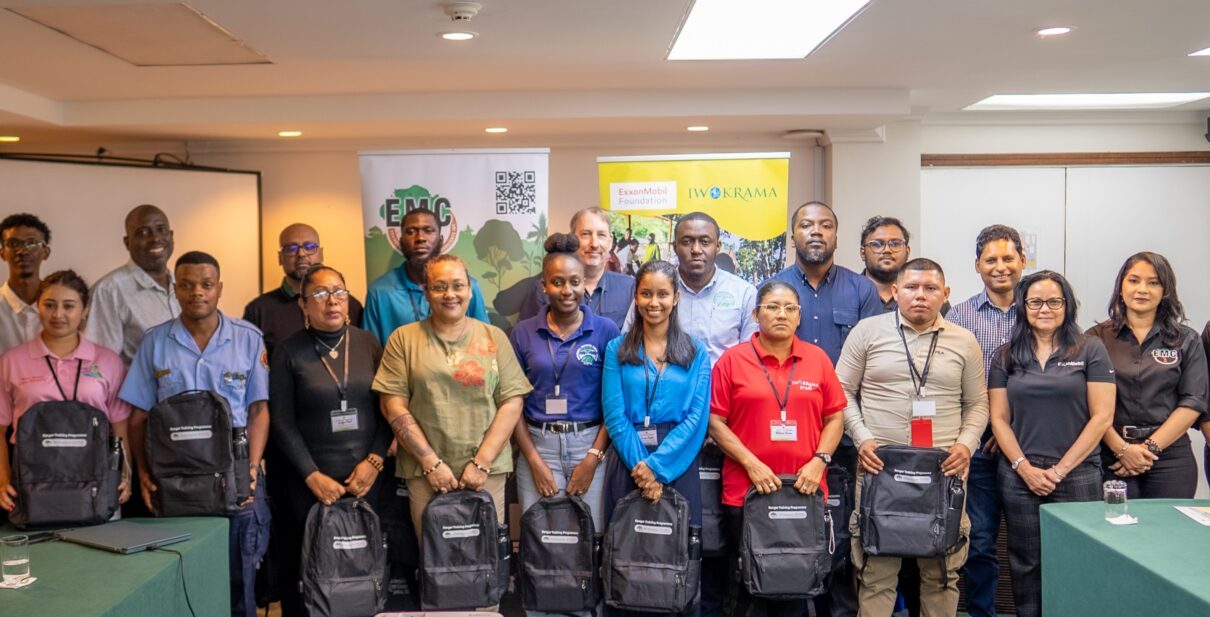
On April 25 2026, participants from several environmental and conservation agencies across Guyana completed the Ranger Training Programme, an intensive six-day initiative designed to strengthen technical capacity, field readiness, and environmental management.
The programme brought together participants from the Environmental Protection Agency (EPA), Protected Areas Commission (PAC), Iwokrama International Centre, Guyana Wildlife Conservation and Management Commission (GWCMC), and Environmental Management Consultants Inc (EMC). Through both theoretical and practical sessions, participants were equipped with essential knowledge and field-based skills required to effectively support conservation and environmental monitoring efforts across Guyana.
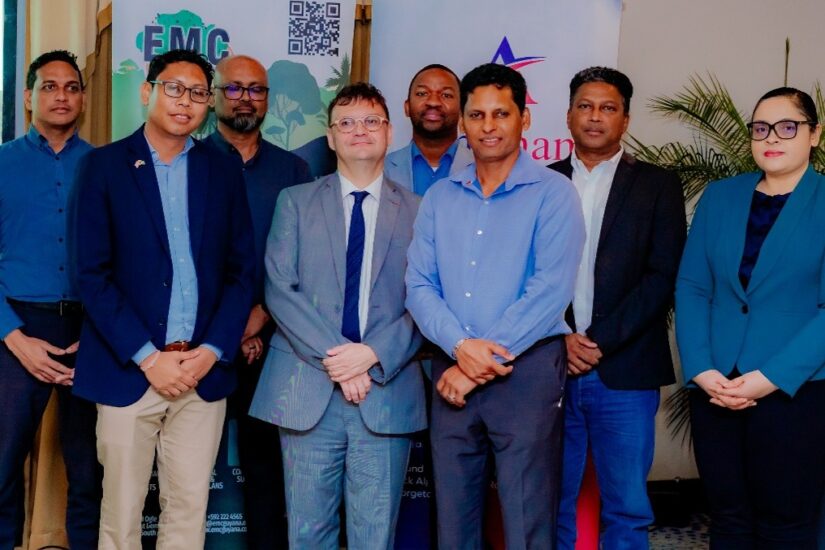
The Ranger Training Programme was delivered through the Guyana Conservation Initiative (GCI), implemented by Environmental Management Consultants Inc. (EMC) and the Iwokrama International Centre, with funding from the ExxonMobil Foundation. This initiative forms part of a broader effort to strengthen national capacity for biodiversity protection, environmental monitoring, and sustainable natural resource management.
Throughout the training participants engaged in sessions covering key areas such as ranger roles and responsibilities, environmental legislation and enforcement, monitoring approaches, patrol planning, field safety, boat handling and engine operations, data collection and reporting, communication and presentation skills, and the use of GPS devices, drones, and communication equipment.
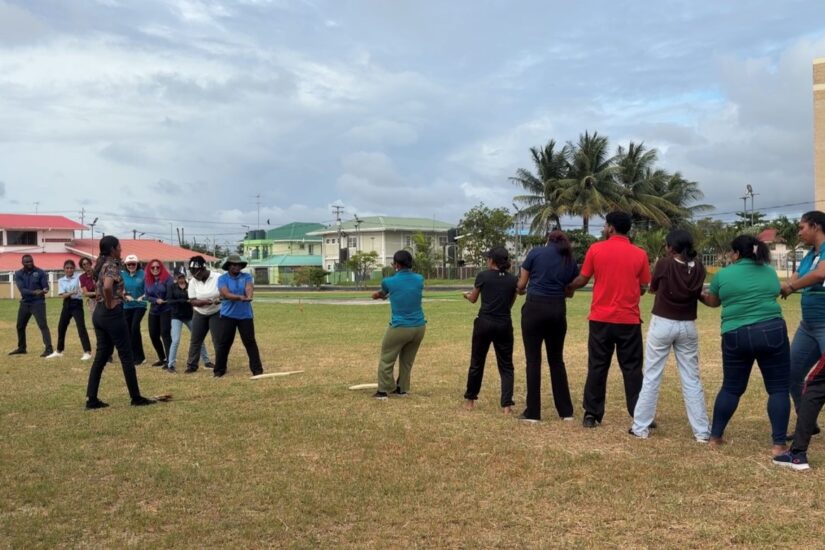
A major component of the programme was the two-day field exercise conducted along the Mahaica Watershed. During the field exercises participants applied their training through practical simulations designed to strengthen operational readiness and field coordination.
Activities included wildlife monitoring using camera traps, navigation using GPS devices, drone operations, and patrol simulations. Participants also responded to emergency response scenarios facilitated by Dr. Clarke, including a simulated snakebite incident which tested their ability to apply the procedures and techniques learned throughout the training.
In addition, participants completed Wilderness First Aid training facilitated by Reliance Healthcare. This component focused on emergency response and field safety procedures, equipping participants with practical first aid skills applicable to remote field conditions. Participants received internationally recognised certification through the American Safety and Health Institute, valid for two years.
The Ranger Training Programme was facilitated by a multidisciplinary team of experts, including Dr. Francis Clarke, Mr. Teni Housty, the Guyana Mining School and Training Center Incorporated, Westzyde Marine, Reliance Healthcare, and Ms. Camille Ishmael. Facilitators guided participants through both theoretical and practical components of the programme, covering areas such as biodiversity monitoring, field operations, emergency response, communication, and conservation practices.
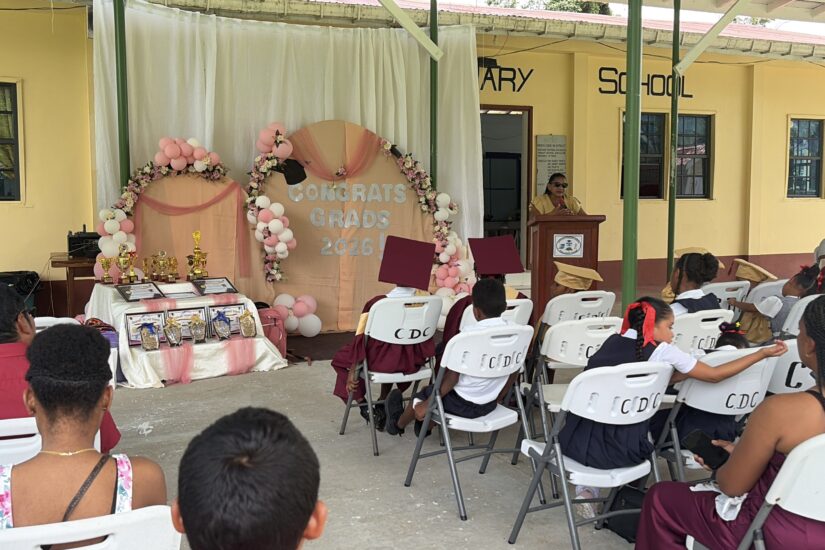
At the Ranger Training Programme Certification Ceremony, speakers highlighted the importance of strengthening environmental stewardship and investing in the individuals responsible for protecting Guyana’s biodiversity.
Mrs. Malisa Nokta, Deputy Managing Director of Environmental Management Consultants Inc. (EMC), emphasised that the programme represents an important investment in building technical capacity and readiness among individuals who will play critical roles in environmental management and protection. She noted that successful completion of the programme reflected the participants’ discipline, adaptability, teamwork, and professionalism.
Ms. Suzanne De Abreu, STEM Lead of the ExxonMobil Foundation, highlighted the importance of investing in people and communities through initiatives that strengthen conservation capacity and environmental sustainability. She noted that the programme focused on practical, field-based skills necessary for effective environmental management and conservation.
Mr. Kemraj Parsram, Executive Director of the Environmental Protection Agency (EPA), encouraged participants to embrace their role as frontline protectors of Guyana’s biodiversity. He stressed that conservation is achieved through disciplined fieldwork, accurate reporting, and responsible action.
Mr. Shyam Nokta, Chairman of the Protected Areas Trust underscored the importance of communication, stakeholder engagement, and continued collaboration among agencies and communities. He encouraged participants to continue sharing knowledge, remaining connected, and applying the skills gained throughout the programme.
As part of the closing activities, participants received field survival kits containing essential items to support field operations, including emergency blankets, headlamps, compasses, rain gear, ropes, and other equipment.
Participants were also provided with EMC Foundation publications, including resources highlighting the ecological importance of the Mahaica Watershed and the need for continued conservation and sustainable management.
Through this initiative, participants are expected to strengthen environmental monitoring, conservation, and sustainable management efforts within their respective organisations and communities.
The Ranger Training Programme reflects the continued commitment of the collaborating partners to building national capacity, strengthening biodiversity conservation, and supporting long-term environmental sustainability across Guyana.
 Participants Receiving their Certificates during the Certification Ceremony
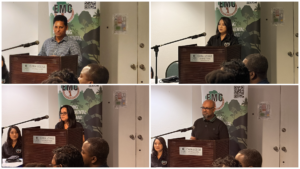
Mr. Shyam Nokta, Chairman of the Protected Areas Trust; Mrs. Malisa Nokta, Deputy Managing Director of EMC Inc; Ms. Suzanne De Abreu, STEM Lead of ExxonMobil; and Mr. Kemraj Parsram, Executive Director of the EPA, delivering remarks during the certification ceremony.
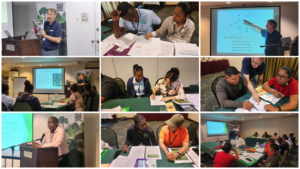 Participants During Day One (1) Activities at Cara Lodge Hotel
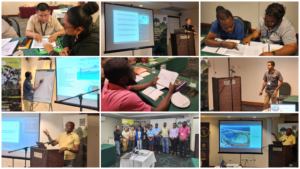 Participants During Day Two (2) Activities at Cara Lodge Hotel
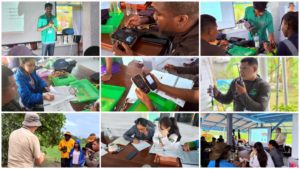 Participants During Day Three (3) Field Exercises at the Mahaica Watershed
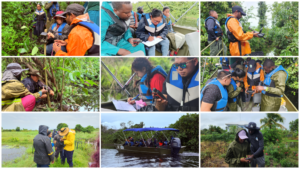 Participants During Day Four (4) Field Exercises at the Mahaica Watershed
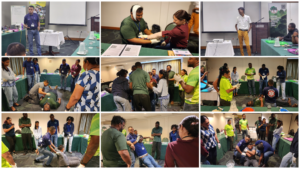 Participants During Day Five (5) Engaged in a Wilderness First Aid Session at Cara Lodge Hotel
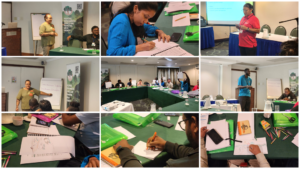 Participants During Day Six (6) Activities Cara Lodge Hotel